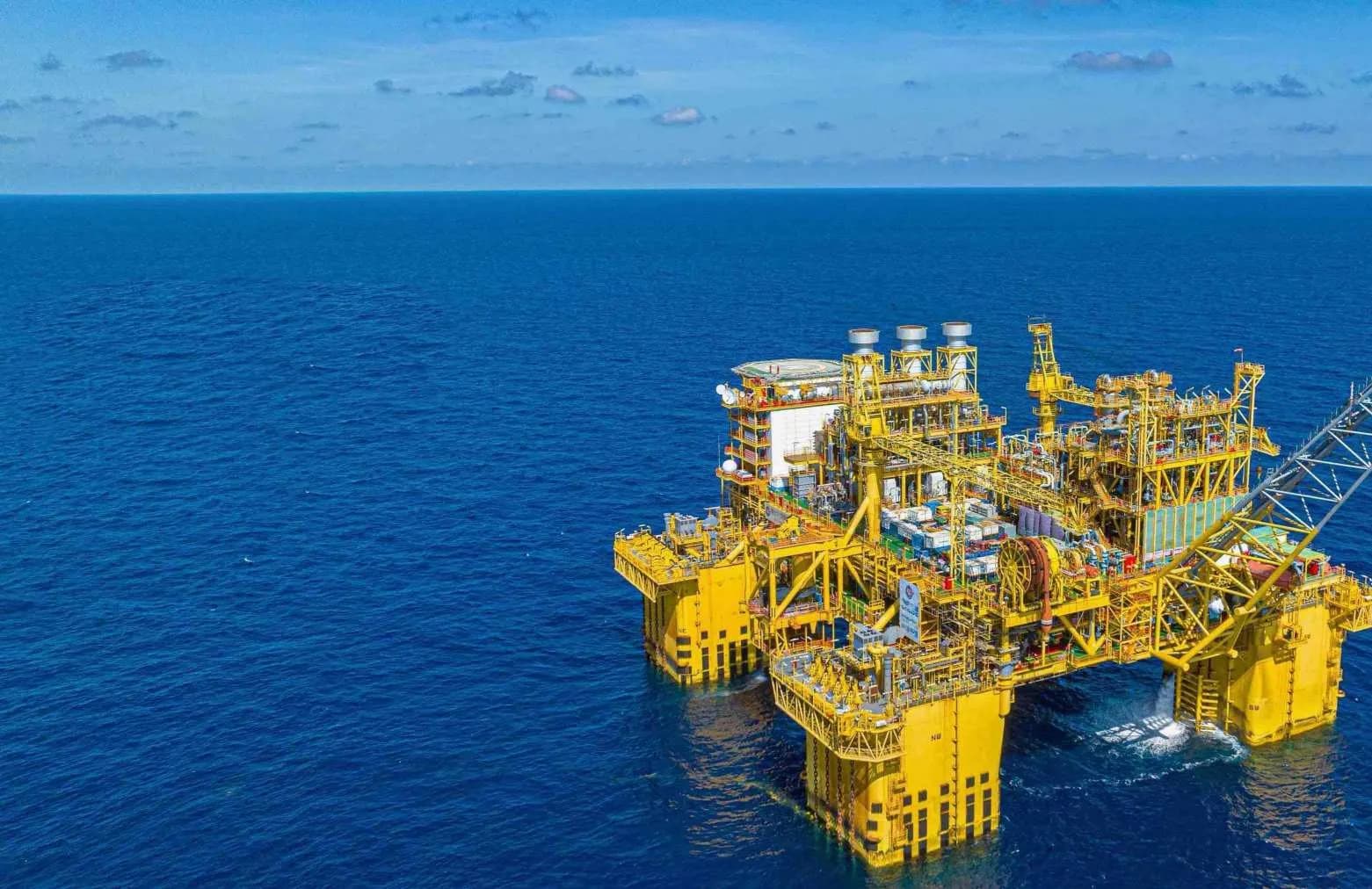
Precision Engineered Industrial Valves
API 6D & ASME certified valves for oil & gas, petrochemical, power generation and beyond.
Our Products
Our Products
Comprehensive range of industrial valves engineered for reliability and performance.
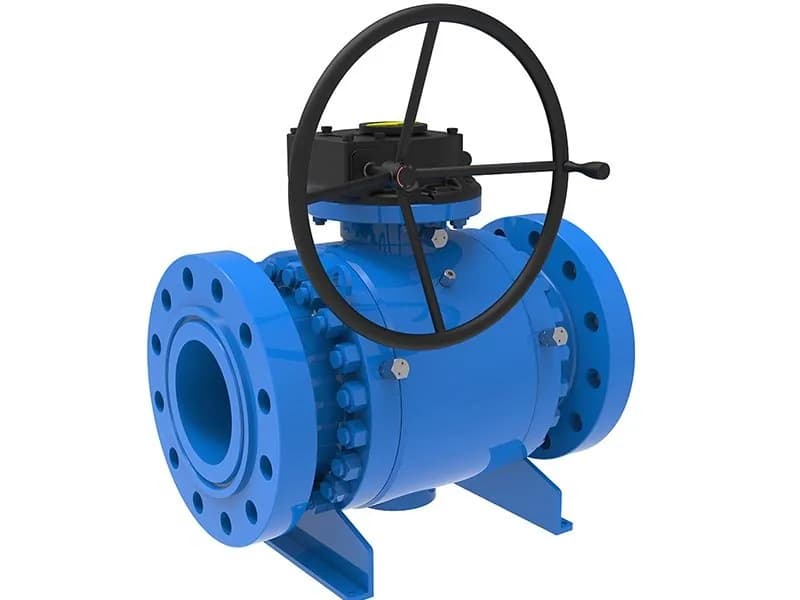
Ball Valves
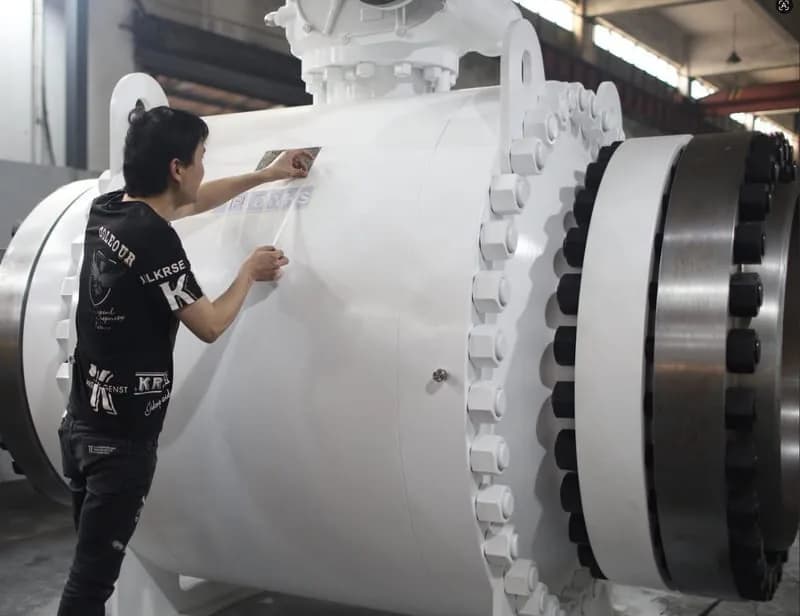
Ball valves shut off flow with a quarter turn. That simplicity is the reason they outnumber every other valve type on a typical process plant—quick actuation, bidirectional sealing, and a wide-open bore that lets media pass with near-zero resistance when the valve is open. FLOWKS manufactures floating and trunnion-mounted configurations across 2" through 48" sizes, with cast and forged body options, top-entry access for welded-line maintenance, V-port trim for modulating duty, and multi-port designs for flow switching. The floating design relies on line pressure to push the ball against the downstream seat—self-reinforcing at higher pressures, economical at smaller sizes. Trunnion-mounted designs anchor the ball mechanically and let the seats move toward it—necessary above 8" where floating geometry can't maintain uniform seat loading, and essential for high-pressure Class 900–2500 service where the operating force would overwhelm a floating ball. Seat material selection—PTFE, Nylon, Delrin, PCTFE, reinforced PEEK—determines temperature limits and chemical compatibility. Metal-seated configurations handle abrasive, high-temperature, and cryogenic conditions where soft seats fail. Whether you need a compact 2" floating valve for a utility line or a 48" trunnion unit for a buried pipeline, the ball valve's quarter-turn simplicity scales across every size and pressure class in industrial service. FLOWKS ball valves cover the full industrial range—from 2" floating designs for utility and process isolation up through 48" trunnion-mounted units for high-pressure pipeline service. Floating ball valves (2"–8", Class 150–600) use line pressure to seat the ball against the downstream seat, delivering self-reinforcing shutoff at operating pressure. Trunnion-mounted ball valves (2"–48", Class 150–2500) anchor the ball with upper and lower stems, allowing spring-loaded or floating seats to seal against the ball—uniform contact pressure at every size, every pressure class. Cast steel bodies offer cost efficiency and smoother internal flow contours for viscous and slurry service. Forged steel bodies deliver higher structural integrity for demanding pressure containment. Top-entry designs enable in-line maintenance on buried and welded pipelines without removing the valve from the line. V-port ball valves combine shutoff with modulating control through characterised V-shaped ball openings. Multi-port configurations redirect flow between multiple process lines with a single valve body. Soft seat materials (PTFE, Nylon, Delrin, PCTFE, PEEK) cover general through high-performance chemical service. Metal seats handle abrasive, high-temperature, and cryogenic conditions. FLOWKS ball valves meet API 6D, API 608, and ASME B16.34 standards, with ISO 15848 low-emission certification available on trunnion and top-entry models.
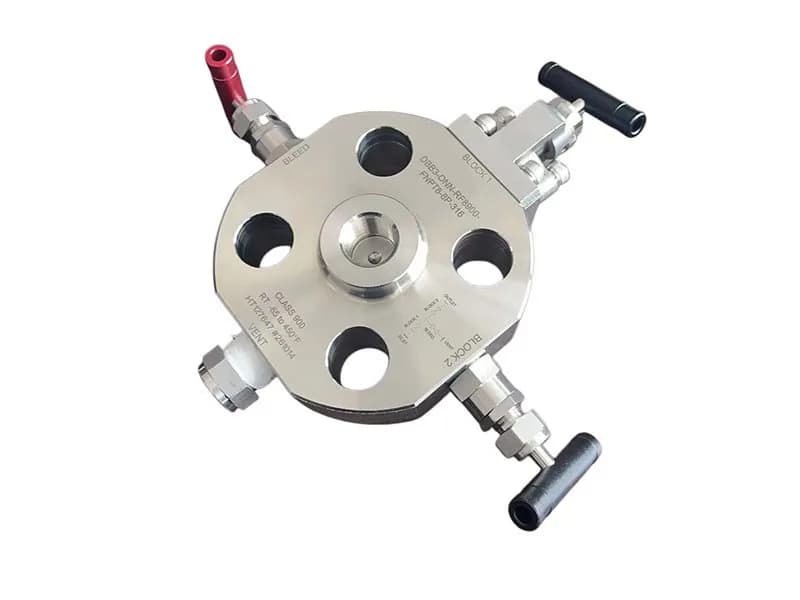
DBB Valves
Double block and bleed valves give you two independent sealing boundaries with a verified vent cavity between them. That sounds redundant until you've stood next to a pressure gauge on a 1500-psi hydrocarbon line and watched a single isolation seat weep process fluid toward the instrument connection. One seat can leak. One seat can fail. DBB eliminates that risk by requiring both an upstream and a downstream seat to hold simultaneously, with the bleed cavity between them vented to atmosphere or closed drain so you can visually confirm both seats are sealing before opening the instrument side. FLOWKS manufactures gauge block, flange, trunnion, and needle-type DBB configurations—from compact 1/2" instrument isolation valves through full-bore pipeline DBB units. Gauge block DBBs mount directly at instrument taps with nonoflange or flanged connections. Flange and trunnion DBBs isolate pipeline sections for maintenance, inspection, and pressure verification. Sampling DBB needle valves add a sample port between the two blocking seats, allowing fluid extraction without breaking isolation. Every DBB configuration shares the same functional principle: two seats, one bleed, verified zero-pressure proof that both boundaries hold before you proceed. FLOWKS double block and bleed (DBB) valves provide verified dual isolation with a vented cavity between two independent seating boundaries. The upstream seat blocks process pressure; the downstream seat protects the instrument or downstream line; the bleed cavity between them vents to atmosphere or closed drain, giving visual confirmation that both seats are holding before any downstream work begins. Gauge block nonoflange DBB valves thread directly onto instrument taps—1/2" through 2", Class 150–1500, compact installation without flange bolting or gasket alignment. Gauge block SBB (single block and bleed) valves provide one blocking seat plus a bleed vent for applications where dual isolation isn't mandated. Flange DBB valves bolt into pipeline flanged connections for larger-diameter isolation. Trunnion DBB valves integrate the double block and bleed function into a trunnion-mounted ball valve body for full-bore pipeline service. Flange-to-screw needle-type DBB valves combine flanged process connections with threaded instrument connections, bridging between piping standards. Sampling DBB needle valves add a sample extraction port within the bleed cavity, allowing fluid collection without breaking either isolation boundary. FLOWKS DBB valves meet API 6D requirements for double isolation, with ISO 15848 fugitive emission certification available. Seat options include PTFE, PEEK, and metal-to-metal (Stellite 6) for chemical compatibility and temperature range matching.
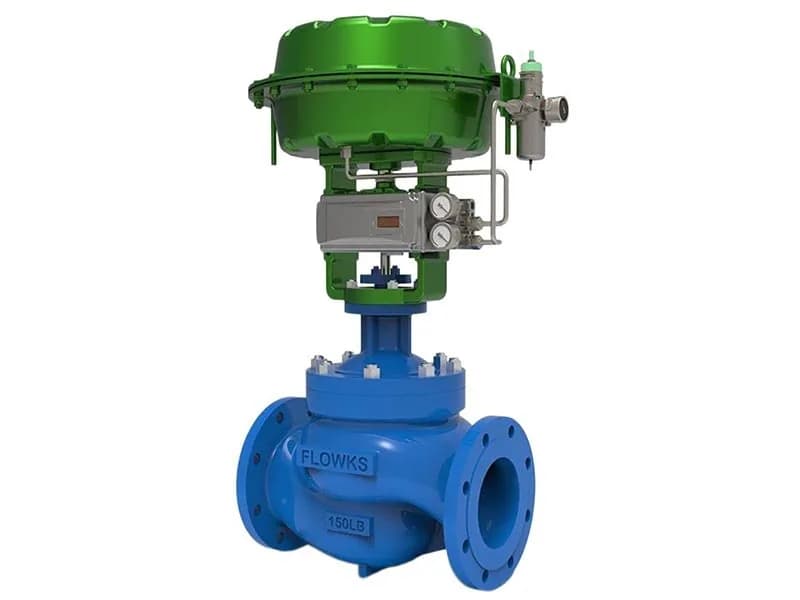
Control Valves
Control valves don't just shut off flow—they modulate it. A ball valve opens or closes in a quarter turn; a control valve positions itself at 37%, 62%, or any point along the travel range to maintain the flow rate, pressure, temperature, or liquid level the process control loop demands. That continuous modulation is what separates throttling service from isolation service, and it dictates different trim geometry, different seat materials, different actuator response characteristics. FLOWKS manufactures linear stroke control valves with pneumatic and electric actuators for precise flow regulation across 1/2" through 12" sizes and Class 150–600 pressure ratings. V-ball control valves handle erosive, abrasive, and high-differential-pressure applications with characterised ball openings that combine shutoff capability with modulating control. Butterfly control valves—triple-offset designs—deliver tight shutoff plus throttling in large-diameter, low-pressure-drop service where linear stroke valves become impractical. Specialised configurations include self-actuated pressure regulators that operate without external power, fluorine-lined valves for concentrated acid service, bellows-sealed low-flow valves for toxic and fugitive-emission-sensitive applications, and labyrinth multi-stage pressure reduction trim that eliminates cavitation and flashing across extreme pressure drops. Every FLOWKS control valve starts with the process requirement—what media, what pressure drop, what flow characteristic, what emission standard—and builds the trim, body, and actuator configuration that matches. FLOWKS control valves provide precise flow regulation, pressure control, and process modulation for oil & gas, petrochemical, chemical, power generation, and water treatment applications. Linear stroke control valves—pneumatic or electric actuated—deliver accurate throttling across 1/2"–12" sizes, Class 150–600, with equal-percentage or linear flow characteristics matched to process loop dynamics. V-ball control valves combine shutoff and modulating control through characterised V-shaped ball openings, with wear-resistant trim options including ceramic, hard alloy, and TCC coated configurations for erosive and abrasive service. High performance triple-offset butterfly control valves offer tight shutoff plus throttling capability in large-diameter, low-pressure-drop applications. Self-actuated pressure regulating valves operate without external power—process pressure itself drives the actuation mechanism for simple, reliable pressure control. Fluorine-lined control valves handle concentrated acid and aggressive chemical media where metal trim would corrode. Low flow regulating valves—including bellows-sealed configurations—provide precise trace-quantity regulation for analytical, sampling, and fugitive-emission-critical service. Labyrinth multi-stage pressure reduction control valves eliminate cavitation and flashing across extreme differential pressure drops through staged energy dissipation within the trim. Flow regulating valves optimise water treatment and distribution system performance with low-pressure-loss disc designs. FLOWKS control valves meet IEC 60534, ISO 15848, and API 608 standards with multiple body materials and trim configurations for every process condition.
Alloy Valves
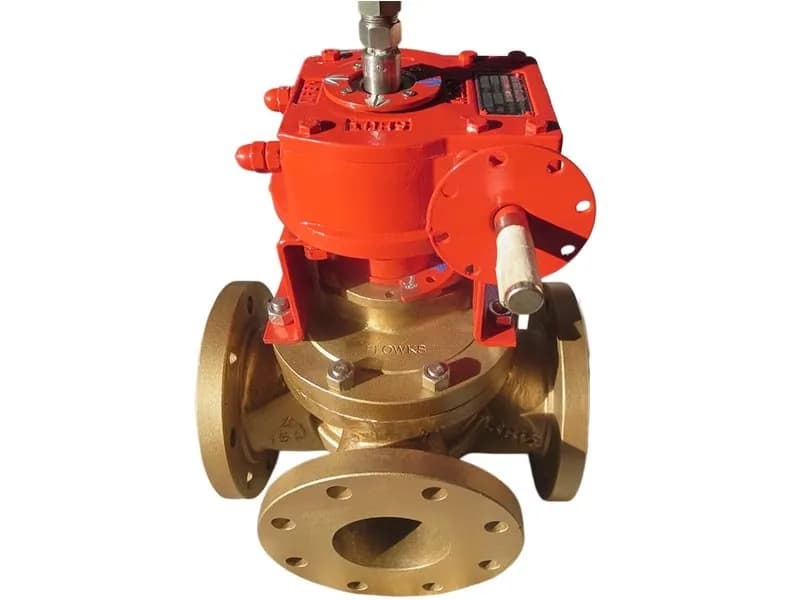
Standard stainless handles most process conditions. But when the media swings beyond what 316L can survive—hydrofluoric acid, concentrated sulfuric, hot wet chlorine, 98% nitric, seawater with biofouling pressure—standard materials pit, crack, dissolve, or fail within months. Alloy valves exist for that territory. FLOWKS manufactures valves in Hastelloy (C276/C22), Monel (400/K500), Incoloy 825, 904L, 254SMO (S31254), titanium (Grade 2/5/7), zirconium (R60702), aluminum bronze (C95400/C63000), pure nickel (N02200/N02201), and C4 steel (00Cr14Ni14Si4)—each alloy targeting a specific corrosion mechanism that stainless cannot address. Hastelloy covers both oxidizing and reducing acid swings. Monel resists fluoride and alkaline corrosion. Titanium's oxide film regenerates in chloride environments. Zirconium's ZrO2 layer survives concentrated nitric where even Hastelloy's oxide destabilizes. 254SMO's PREN 43+ makes it the pitting champion in seawater and FGD scrubbers. C4 steel's silicon oxide film handles transpassive nitric conditions that dissolve standard stainless oxide layers. Specifying alloy valves isn't about upgrading for prestige—it's about matching the material to the specific corrosion mechanism your process throws at it. Every alloy has weaknesses alongside its strengths: titanium fails in fluoride, Monel is vulnerable to oxidizing acids, C4 has no ASTM equivalent for Western projects. FLOWKS alloy valves are selected by corrosion engineers who know exactly what media the valve faces—not by procurement teams shopping for "better than stainless." FLOWKS alloy valves address process conditions where standard stainless steel and carbon steel cannot survive. Hastelloy C276 and C22 valves resist both oxidizing and reducing acid environments—flue gas desulfurization, HF alkylation, mixed-acid chemical processing. Monel 400 and K500 valves excel in fluoride-containing and alkaline service—HF alkylation circuits, caustic processing, seawater exposure. Titanium valves (Grade 2, Grade 5, Grade 7) leverage a self-regenerating oxide film for chloride, wet chlorine, and seawater applications where 316L pits rapidly. Zirconium valves (R60702) survive concentrated nitric acid service through a chemically stable ZrO2 surface film. 904L valves cover the full sulfuric acid concentration range with high-nickel, high-molybdenum chemistry. 254SMO (S31254) valves deliver PREN 43+ pitting resistance for seawater, FGD scrubbers, and high-chloride process streams. Incoloy 825 valves handle sour gas and multi-element corrosive conditions with coordinated nickel-chromium-molybdenum defense. Pure nickel valves (N02200/N02201) are the standard choice for caustic soda and high-purity alkali service. Aluminum bronze butterfly valves resist seawater biofouling and corrosion at lower cost than nickel-alloy alternatives. C4 steel (00Cr14Ni14Si4) valves survive 98%+ concentrated nitric acid through a silicon oxide film stable in transpassive conditions. FLOWKS alloy valves are available in gate, globe, ball, butterfly, check, and diaphragm configurations per the corrosion engineer's specification.
Knife Gate Valves
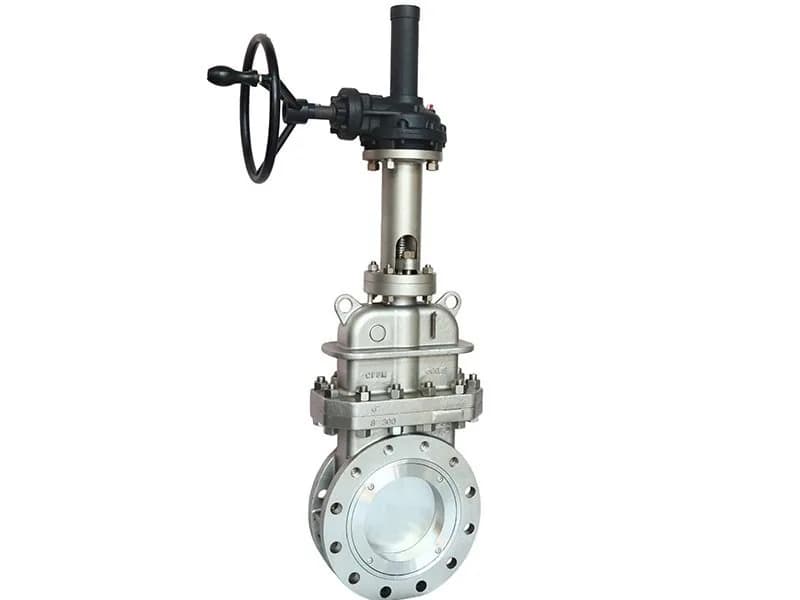
Knife gate valves cut through media that regular gate valves can't handle—fibrous pulp, settling slurries, tailings with suspended solids, sticky process residues that jam a parallel-seat gate before it reaches closed position. The blade-shaped gate slices through whatever sits in the flow path instead of trying to push it aside. That's the fundamental difference between a knife gate and a conventional wedge gate: one cuts, one wedges, and in media that accumulates on the seat surface, cutting wins. FLOWKS manufactures nine knife gate and slurry valve configurations—from lightweight wafer unidirectional isolation valves through heavy-duty long-pattern slurry valves, bidirectional dual-seat designs, polyurethane-lined abrasive service valves, and high-pressure units rated to Class 900. Wafer bodies fit between pipeline flanges with minimal footprint. Flanged bodies bolt directly into the line. One-piece ("whole unit") castings eliminate the body split gasket as a leak path. Bidirectional designs seat the gate from both directions with two independent sealing boundaries. Unidirectional designs seat in one direction only—cheaper, simpler, adequate for lines with known flow direction. Polyurethane lining shields every wetted surface from abrasive attack. High-pressure configurations use Stellite 6 metal seats and pressure seal bonnets for service beyond 50 bar. Every configuration shares the same operating principle: a sharp-edged gate that cuts through the media and seats against a peripheral seal, rather than wedging between two parallel faces that trap debris. FLOWKS knife gate valves and slurry valves provide reliable shutoff in media conditions that defeat conventional gate valves—pulp stock, mining slurries, tailings transport, wastewater with suspended solids, and sticky process residues. The blade-shaped gate slices through accumulated media rather than wedging it aside, preventing seat cavity blockage and ensuring full-bore shutoff even after prolonged service in settling or fibrous media. Wafer knife gate valves offer the lightest, most compact isolation option for Class 150 service—unidirectional sealing, minimal installation footprint, lowest cost per size. Bidirectional knife gate valves add dual-seat sealing for lines with pressure on both sides of the valve. High pressure knife gate valves extend service to Class 300–900 with metal seats and pressure seal bonnets. Polyurethane-lined knife gate valves protect all wetted surfaces from abrasive slurries with full-body PU liners that outlast hard rubber by 5–10x. Heavy-duty long-pattern slurry valves provide structural depth and full-port bore for demanding mining and mineral processing applications. Whole unit slurry valves use one-piece cast bodies to eliminate the body gasket leak path entirely. High pressure slurry valves combine abrasive media resistance with Class 300–900 pressure ratings and Stellite 6 metal seats. Unidirectional sealing knife gate valves deliver cost-effective single-direction isolation for lines with consistent flow direction. Manual, pneumatic, and hydraulic actuation options available across all configurations.
Butterfly Valves
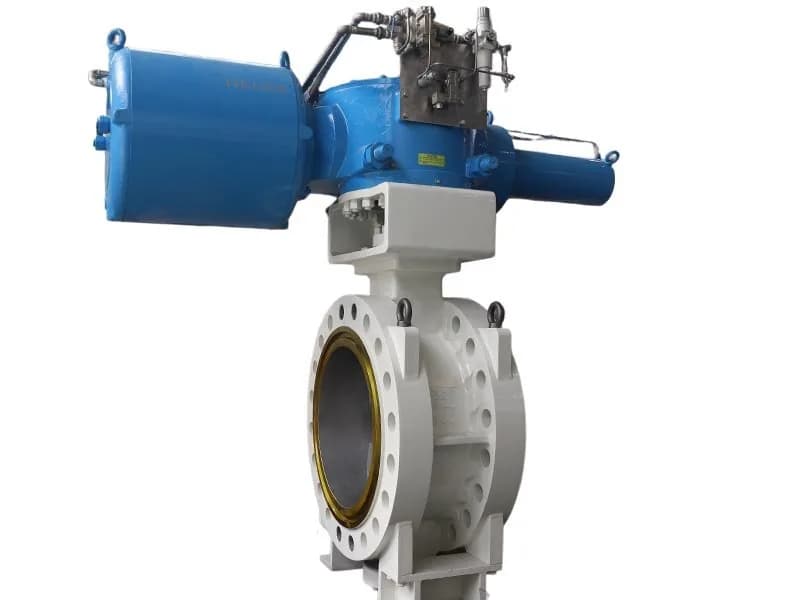
Butterfly valves rotate a disc 90° inside the flow path to open or close—the simplest quarter-turn mechanism in industrial valve design. That simplicity is the reason butterfly valves dominate water, HVAC, and general process isolation: one moving part, one 90° stroke, one sealing interface, minimal space envelope, lowest cost per diameter inch of any shutoff valve type. FLOWKS manufactures eight butterfly valve configurations spanning three sealing philosophies and three body connection formats. Concentric (centerline) designs align the shaft, disc, and body on the same axis—the disc slides across the seat surface during rotation, simple and cheap but limited in pressure rating and cycle life. Double eccentric (high-performance) designs offset the shaft in two planes so the disc cam-lifts off the seat during opening, reducing rubbing and extending elastomer seat life by 3-5x. Triple eccentric designs offset the shaft in three planes so the disc only contacts the seat at the final 2-3° of closing—frictionless travel that enables metal-to-metal seating for high-temperature and fire-safe service. Seat types range from resilient elastomer liners (EPDM, NBR, Viton—bubble-tight, low-cost, temperature-limited) through metal seats (Stellite 6 overlay—fire-safe, high-temperature, slight ambient leakage) to multi-layer composite seats (metal base ring + flexible graphite layer—bubble-tight at ambient AND fire-safe under fire conditions). Body connections include wafer (sandwich between flanges, slimmest, cheapest), lug (threaded ears, one-side isolation capability), and butt-weld (permanent welded-in installation, zero external leak paths). Pneumatic, electric, hydraulic, and manual actuation options cover the full range of process automation requirements. FLOWKS butterfly valves provide quarter-turn shutoff across the widest range of process conditions—from HVAC water isolation at Class 150 to petrochemical high-pressure high-temperature service at Class 900. Concentric centerline butterfly valves with resilient elastomer liners deliver cost-effective bidirectional sealing for water, wastewater, and light-process applications. Double eccentric high-performance butterfly valves reduce seat friction through cam-action disc rotation, extending elastomer cycle life and enabling Class 150-300 service with tighter shutoff. Triple eccentric butterfly valves with metal-to-metal Stellite seats eliminate elastomer entirely—rated for 350°C+ continuous temperature, fire-safe per API 607, ISO 15848 low-leakage fugitive emission compliant. Multi-layer composite seats combine bubble-tight ambient sealing with fire-safe metal backup for petrochemical installations that demand both capabilities. Wafer bodies offer the slimmest installation footprint between pipeline flanges. Lug bodies enable dead-end service and one-side isolation through independent threaded flange ears. Butt-welded ends eliminate flange gaskets entirely for permanent high-pressure and buried installations. Forged body construction provides casting-free pressure boundary integrity for severe service at small sizes. Pneumatic, electric, hydraulic, and manual gear actuation available across all configurations.
Strainers & Filters
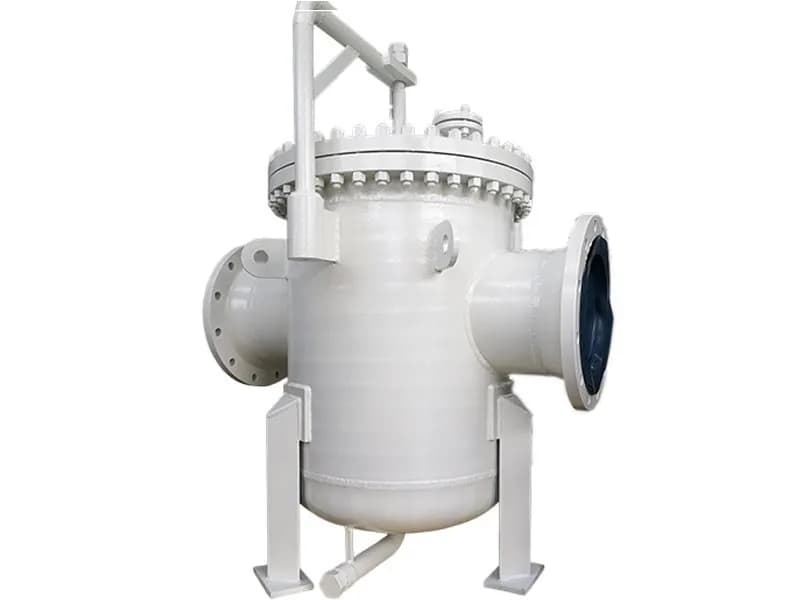
Strainers remove debris from process fluid before it reaches downstream equipment—pumps, control valves, heat exchangers, spray nozzles, instrumentation. Sight flow indicators let operators visually confirm process conditions—flow presence, flow direction, fluid clarity, entrained gas, reaction progress. These two product families serve different functions but share the same installation context: they sit in the pipeline as inline components, between the source and the sensitive downstream equipment that debris or unexpected process conditions would damage. FLOWKS manufactures five strainer configurations and two sight flow indicator configurations. Basket strainers use a cylindrical or basket-shaped screen inside a body cavity—debris collects inside the basket, clean fluid passes through to the outlet, top-cover access makes basket removal a five-minute job. Y-type strainers use a compact angled screen chamber branching off the main flow passage—smaller, lighter, rated to Class 1500 at small sizes, the default for steam, air, and small-bore process protection. Dual basket strainers add a diverter valve between two parallel chambers—switch flow from one to the other without shutting down the line. Duplex basket strainers upgrade the changeover to a four-port or six-port integral valve that simultaneously swaps inlet and outlet in one lever turn, with bleed/vent ports for safe offline maintenance. Temporary strainers are commissioning-only components—perforated cones or flat plates installed between pipeline flanges to catch construction debris during start-up, removed after the system is clean. Window-type sight glasses provide a borosilicate glass panel for visual observation—single or dual-window for backlit visibility. Flapper/ball-type sight flow indicators add an internal moving element that deflects with flow direction and velocity, giving visual confirmation of flow presence, direction, and relative rate in addition to fluid appearance. FLOWKS strainers and sight flow indicators protect downstream equipment and provide visual process verification across industrial piping systems. Basket strainers offer open-top screen access for fast debris removal—five-minute maintenance without pipeline disconnection, mesh sizes from coarse pump protection (1/8"–1/2" perforations) to fine instrument and nozzle protection (40–100 mesh wire). Y-type strainers deliver compact high-pressure screening in angled chambers—rated to Class 1500, ideal for steam, compressed air, hydraulic, and small-bore process lines from 1/2" to 12". Dual basket strainers enable continuous-flow straining with a diverter valve switching between two parallel chambers—zero downtime for basket cleaning on critical pump suction and cooling water lines. Duplex basket strainers upgrade the changeover to simultaneous inlet/outlet switching with integral four-port or six-port valve and bleed/vent ports for safe offline maintenance. Temporary cone and flat-plate strainers catch construction debris during commissioning, removed after clean-up cycle. Window-type sight glasses provide borosilicate glass panels for fluid visual inspection—single or dual-window with backlit visibility for dark or opaque media. Flapper and ball-type sight flow indicators add internal motion elements for visual confirmation of flow direction, presence, and relative velocity on small-diameter lines.
Plug Valves
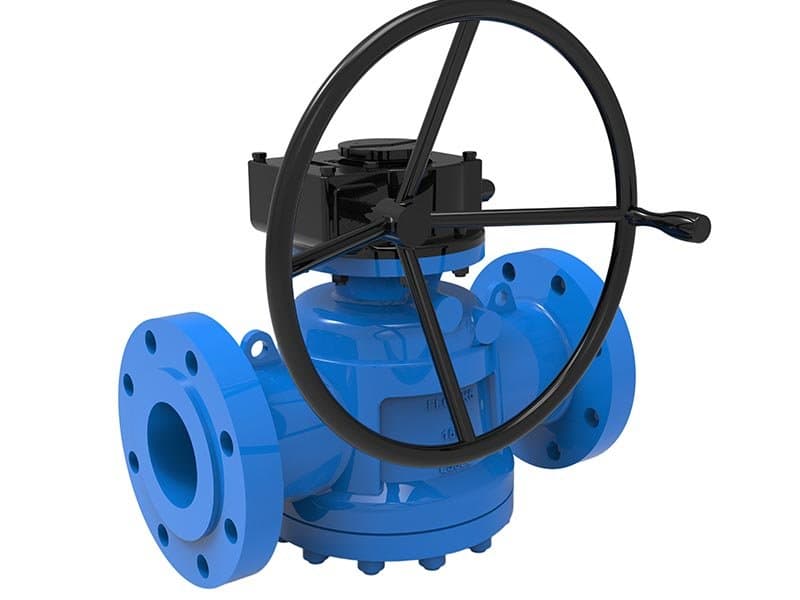
Plug valves rotate a cylindrical or tapered plug 90° inside the body bore to open or close the flow passage. The plug itself is the sealing element—its outer surface contacts the body seat surface directly, or through an intermediate seat insert, to achieve shutoff. That direct plug-to-seat interface is the fundamental characteristic that distinguishes plug valves from ball valves (where a separate seat ring contacts the ball) and gate valves (where a flat gate slides between two seat rings). FLOWKS manufactures six plug valve configurations spanning three seating philosophies and three mechanical motion types. Lubricated plug valves inject sealant through external fittings into internal distribution grooves on the tapered plug surface—the lubricant film creates both the primary sealing boundary and the rotational lubrication layer that prevents metal galling. Soft seated plug valves use PTFE, reinforced PTFE, Viton, EPDM, or NBR inserts bonded to the body bore or plug surface—soft seat compression fills surface irregularities for bubble-tight zero leakage, no external lubricant needed. Pressure balanced plug valves route line pressure to both sides of the plug through internal bypass passages—hydraulic forces cancel out, operating torque stays manageable at Class 600-900 and 12"-24" sizes where unbalanced torque would exceed manual or actuator capability. Lift type plug valves raise the plug off the seat before rotating—zero sliding contact during rotation eliminates seat wear, limited to 1/2"-4" sizes where the lift distance is short. Expanding plug valves (Venturi) use expandable sealing elements (slips/wedges) that move outward against reduced-diameter body seat faces—double-block-and-bleed sealing in a single valve body, with some open-state pressure drop through the venturi constriction. Expanding plug valves (Full Bore) apply the same expanding mechanism against full-diameter seat faces—DBB sealing plus piggable unrestricted flow passage, at higher mechanical complexity and cost than the venturi design. FLOWKS plug valves provide quarter-turn shutoff through direct plug-to-body sealing contact across the widest range of pressure and seating requirements. Oil lubricated plug valves create a hydrostatic seal through injected lubricant film between tapered plug and body bore—specified for crude oil, natural gas, and refinery service where line media degrades elastomer seats. Soft seated plug valves achieve bubble-tight zero leakage through PTFE, reinforced PTFE, Viton, or EPDM seat inserts—no external lubricant, lower torque, ideal for chemical, water, and process isolation up to Class 300. Pressure balanced plug valves cancel hydraulic force on the plug face through internal bypass passages—manageable operating torque at Class 600-900 on 12" through 24" pipeline isolation where unbalanced torque exceeds actuator capability. Lift type plug valves raise the plug off the seat before rotation—zero sliding friction, zero seat wear, limited to 1/2"-4" sizes for instrument and sampling isolation. Expanding plug valves (Venturi) deliver double-block-and-bleed sealing in a single valve body through outward-expanding sealing elements against reduced-diameter seat faces—compact seat geometry, some open-state pressure drop. Expanding plug valves (Full Bore) provide DBB sealing plus piggable unrestricted flow passage through full-diameter expanding slips—zero open-state pressure drop, pigging-compatible, at higher mechanical complexity.
Industries
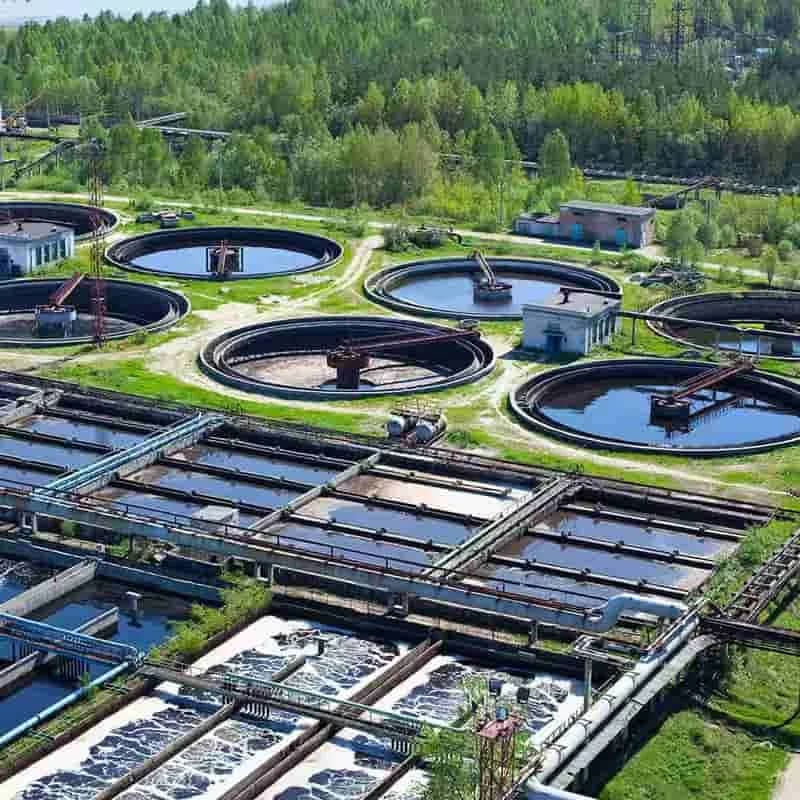
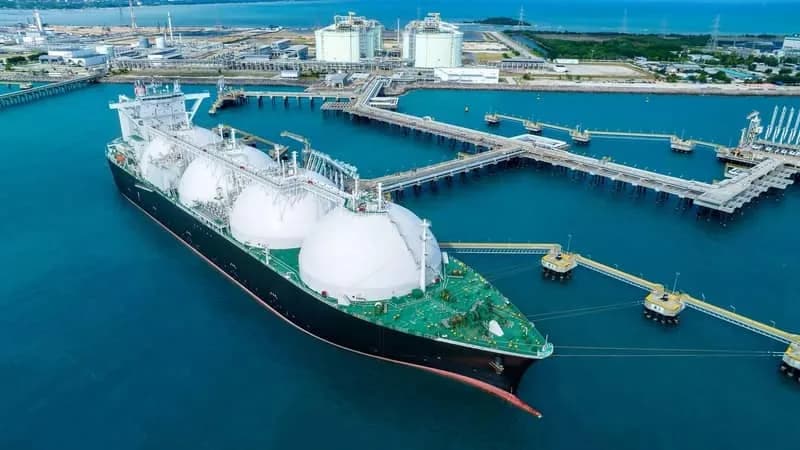
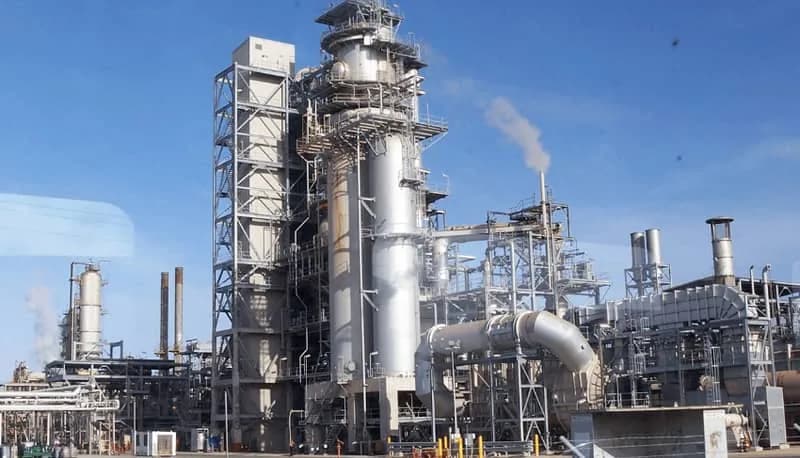
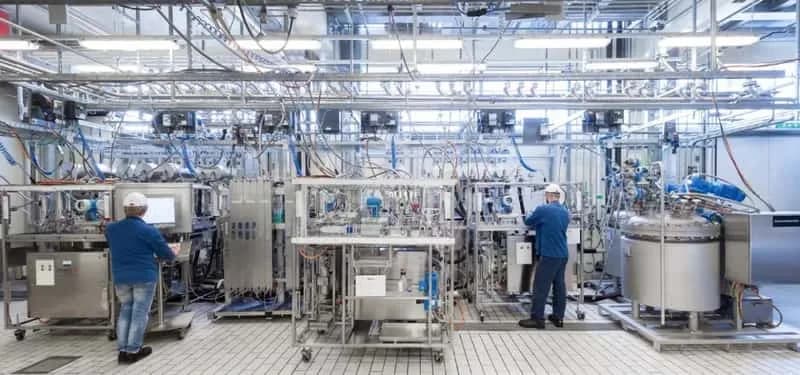
Industries We Serve
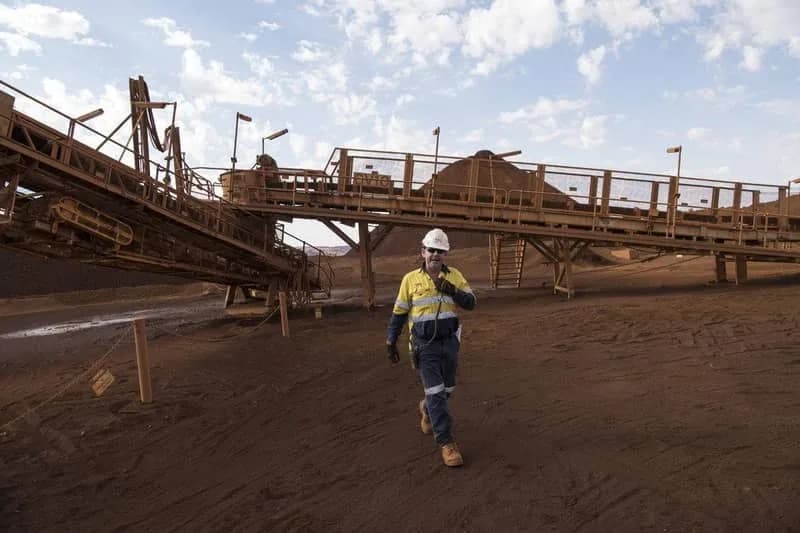
Mission-critical valve solutions for the world's most demanding applications.
Why FLOWKS
Why FLOWKS
Quality, reliability and innovation in every valve we manufacture.
Quality Assurance
Every valve undergoes rigorous testing per API 598, API 6D and ISO 15848 standards.
International Certification
API 6D, API 607, API 608, CE, ISO 9001 certified. Meeting global industry requirements.
Custom Solutions
Tailored valve designs for unique operating conditions. From material selection to special configurations.
Global Support
Technical support and after-sales service across the Americas, Europe, Middle East and Asia.
Engineering Tools
Free Online Calculators
Professional calculation tools for valve engineers — fast, accurate, free.
Ready to Find the Right Valve?
Our engineering team is ready to help you select the optimal valve solution.